Colorado Springs Utilities is committed to Colorado’s clean energy future and to achieving our Clean Energy Plan goals. We’ve already made significant progress, as demonstrated by the retirement of the 100-year-old Drake Power Plant and the addition of solar and battery projects - and we intend to continue.
However, we have recently encountered some serious roadblocks in making our clean energy transition. We cannot meet the state’s 2030 emissions deadline without raising electric rates to unaffordable levels and risking the reliability of the power system that nearly half a million residents and critical military installations depend on every day.
That’s why we are asking the state legislature for help. We are seeking a practical solution to meet emissions reduction targets through Senate Bill 26-022. We’re seeking an extension to achieve the state’s goals responsibly without jeopardizing our residents’ ability to pay their utility bills.
As we work through these challenges, we know there are a lot of questions and misconceptions about what this extension really means for our community and our commitment to clean energy.
Myths vs. facts
We’ve broken down some of the most common myths and facts, to show the full picture.
Myth: Keeping the coal-fired unit at the Ray Nixon Power Plant open longer than 2030 will raise long-term costs for customers.
Fact: Keeping Nixon open longer than 2030 will give us more time to secure reliable and affordable replacement power for the coal-powered unit at Nixon.
Myth: Keeping Nixon open past 2030 will increase Colorado’s dangerous air pollution.
Fact: Nixon is a small power plant and is a minor contributor to Colorado’s greenhouse gas emissions. For example, Nixon’s unit 1 (the coal-powered unit) was 3.76% of Colorado’s total electric generation emissions and less than 1% of total statewide emissions in 2023.
Myth: Replacing Nixon’s coal unit with clean energy by 2030 would save customers money.
Fact: In 2023 and 2024, we went to the market to acquire renewable energy projects to help lower our emissions and replace the power for Nixon. However, the bids received were much more expensive than we planned for. If we had accepted those projects, the average residential customer’s bill would have increased by about 50%, or more than $600 a year.
The elimination of federal clean energy tax credits for wind, solar, and battery projects, and new tariffs imposed on materials necessary for utility infrastructure, have made the current market for new projects even more expensive.
Myth: Other utilities have been able to meet Colorado’s Clean Energy Plan deadlines and Colorado Springs Utilities should be able to meet the same deadlines.
Fact: Colorado Springs Utilities has taken aggressive steps to meet Clean Energy Plan goals, but faces unique challenges not faced by other power providers in the state.
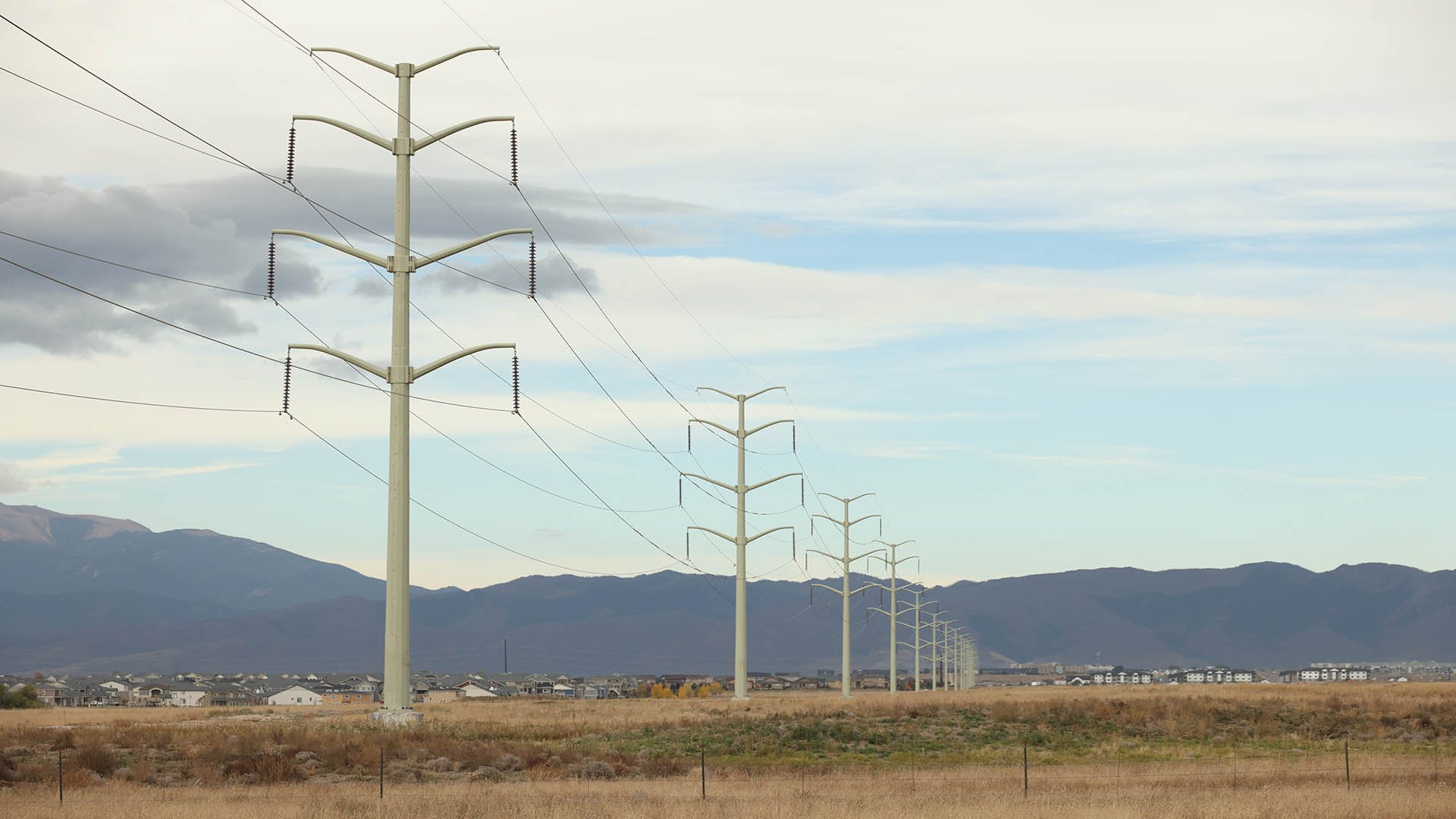
We generate our own power and must replace the resources we retire to maintain reliability. While we are expanding our transmission lines, we still lack the necessary transmission system.
Transmission lines are the energy highways that carry the electricity from solar and wind farms into the city. Without the transmission, we can’t access the clean energy needed.
Other Colorado power providers received millions in federal grant support to meet their Clean Energy Plan goals. We were denied all federal grant requests.
Citizens and customers may voice their opinion on the proposed legislation in a variety of ways in the coming months, including contacting their legislators.