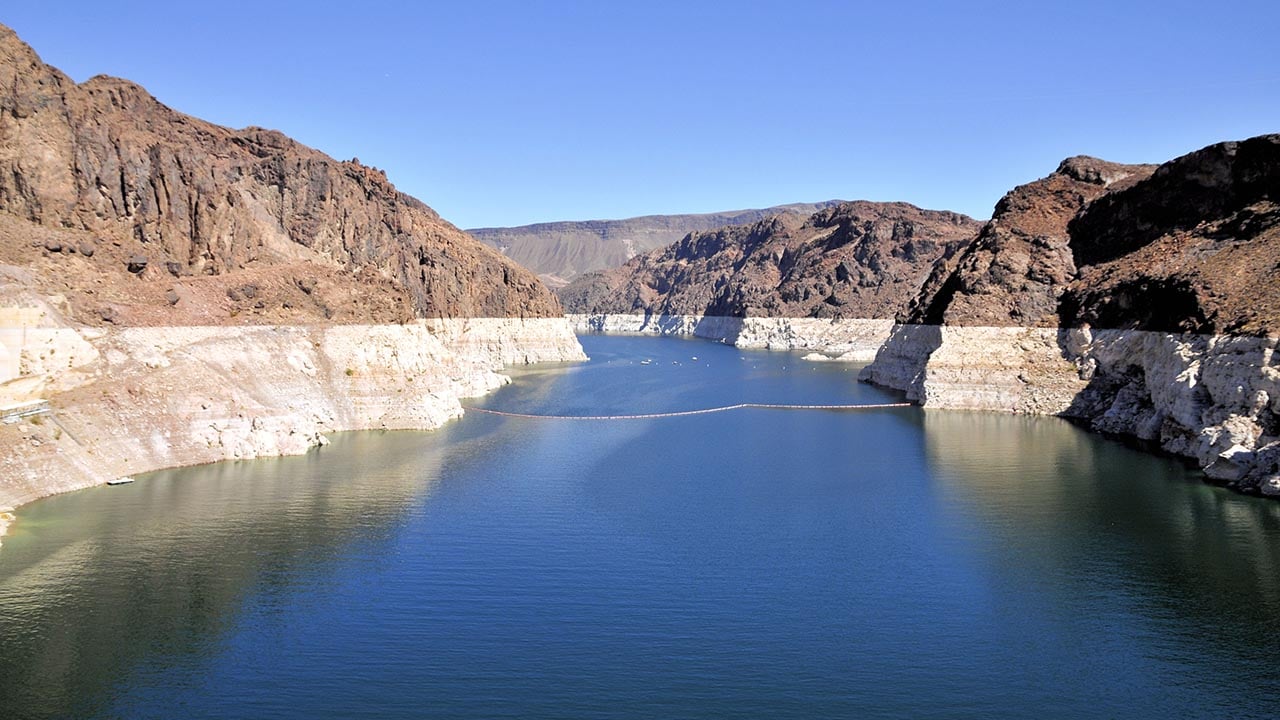
If you've heard about ongoing Colorado River negotiations, you may be wondering: Will this affect my water supply? After all, about 70% of the water we use is from the Colorado River Basin.
The good news is that Colorado Springs Utilities has been planning for a range of future Colorado River scenarios for many years. Through the goals outlined in our Integrated Water Resource Plan, our community is well positioned to navigate future challenges by diversifying water supplies, expanding storage, enhancing water reuse and developing additional supplies through agricultural partnerships.
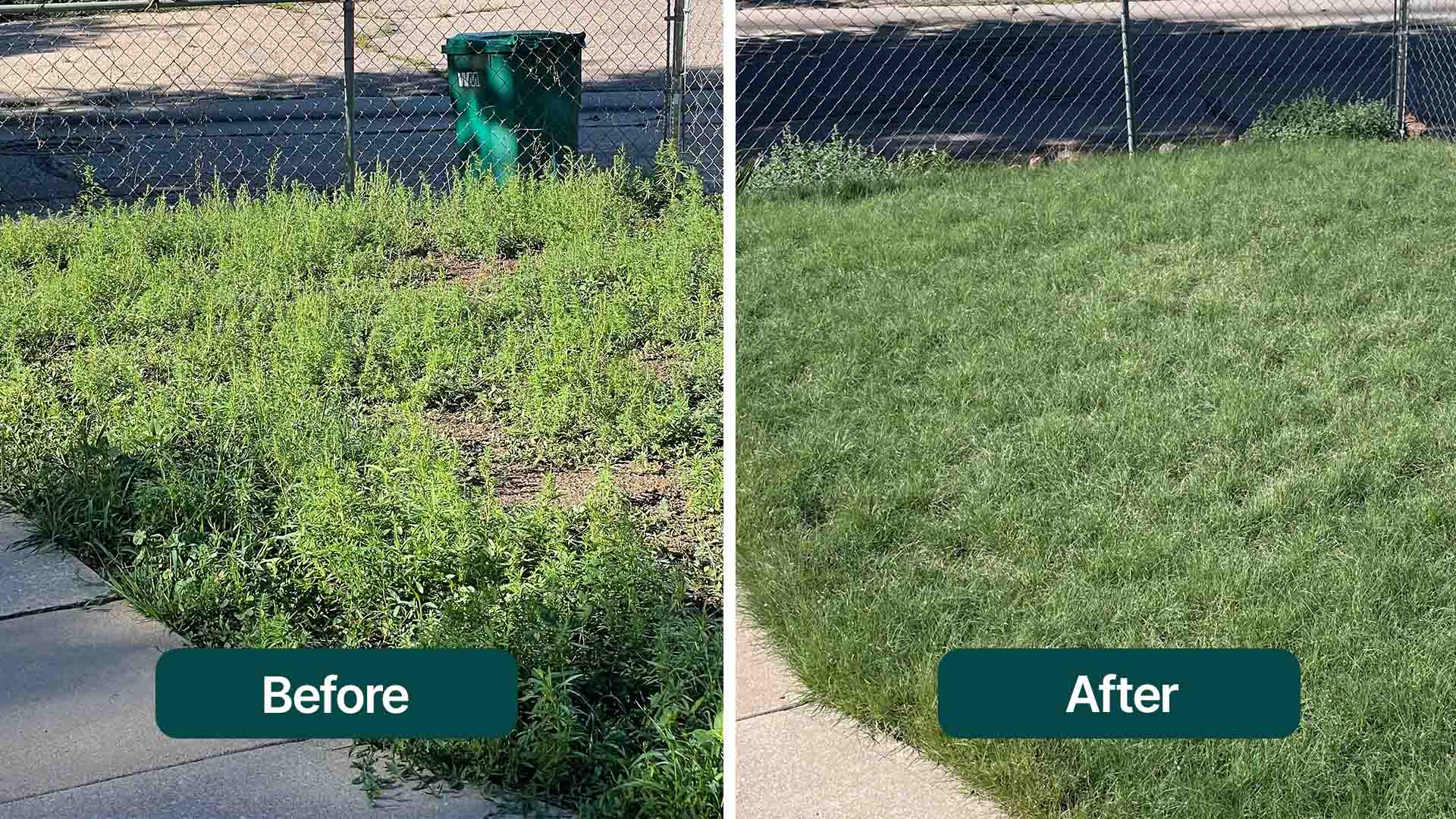
Conservation also remains a key part of the solution. Our customers have reduced consumption and embraced Water Wise landscaping. Together, strategic planning and wise water use are helping Colorado Springs build a resilient water future amid ongoing Colorado River negotiations and uncertainty.
What the Bureau of Reclamation's Final Environmental Impact Statement provides
The Colorado River supplies water to millions of people across the West, including Colorado Springs. Current rules for managing the river are expiring and the seven basin states have not yet agreed on a consensus-based replacement. As a result, the U.S. Bureau of Reclamation recently released a Final Environmental Impact Statement that evaluates options for managing the river after 2026. Its preferred approach creates a 10-year framework, with operating guidelines developed every two years through 2036.
From Colorado's perspective, the Final EIS is a step in the right direction but has room for improvement. Generally, it puts the Upper Basin states in a favorable position moving forward. It recognizes Reclamation's ability to use key Upper Basin reservoirs, including Flaming Gorge, Navajo and Colorado's Blue Mesa Reservoir as important tools for managing water supplies and supporting Colorado River operations. Importantly, the EIS and operating guidelines more closely reflect existing water supply conditions to determine operations, and it does not expand federal authority over water administration in Colorado.
The preferred alternative in the Final EIS includes a voluntary contribution program under which the Upper Basin states could collectively contribute up to 200,000 acre-feet of water annually to help support river operations. Colorado's specific contribution, if any, has not yet been determined and will continue to be evaluated through discussions among state water leaders, including Colorado Springs Utilities. To support these efforts, the federal government has committed $100 million to fund voluntary water contribution projects across Colorado, New Mexico, Utah and Wyoming.
What this means for our customers
Colorado Springs Utilities continues to collaborate with and support the efforts of our Colorado River Commissioner, Becky Mitchell, and the other Upper Basin states to develop a lawful, equitable and supply-driven agreement for the Colorado River.
While negotiations continue, our focus remains the same: providing reliable water service for our customers today while planning for the future. Through conservation, strategic investments and long-term planning, Colorado Springs Utilities is working to ensure our community remains resilient no matter what challenges the Colorado River may face in the years ahead.