The month of May brought welcome rain, with cooler temperatures and periodic storms helping landscapes recover from unusually warm and dry conditions in March.
Still, with snowpack at record lows this winter, conserving water is more important than ever. One simple and impactful step is to avoid running your sprinklers during or after rainfall.
With the bustle of school ending and summer vacations on the horizon, it’s a challenge to turn your sprinkler system off manually every time it rains -- not to mention remembering to turn it on before your grass becomes crispy when hot weather returns.
Worry no more. Sprinkler manufacturers have solved this problem through the rain sensor, which makes it simple to match your watering to actual weather conditions.
What rain sensors do
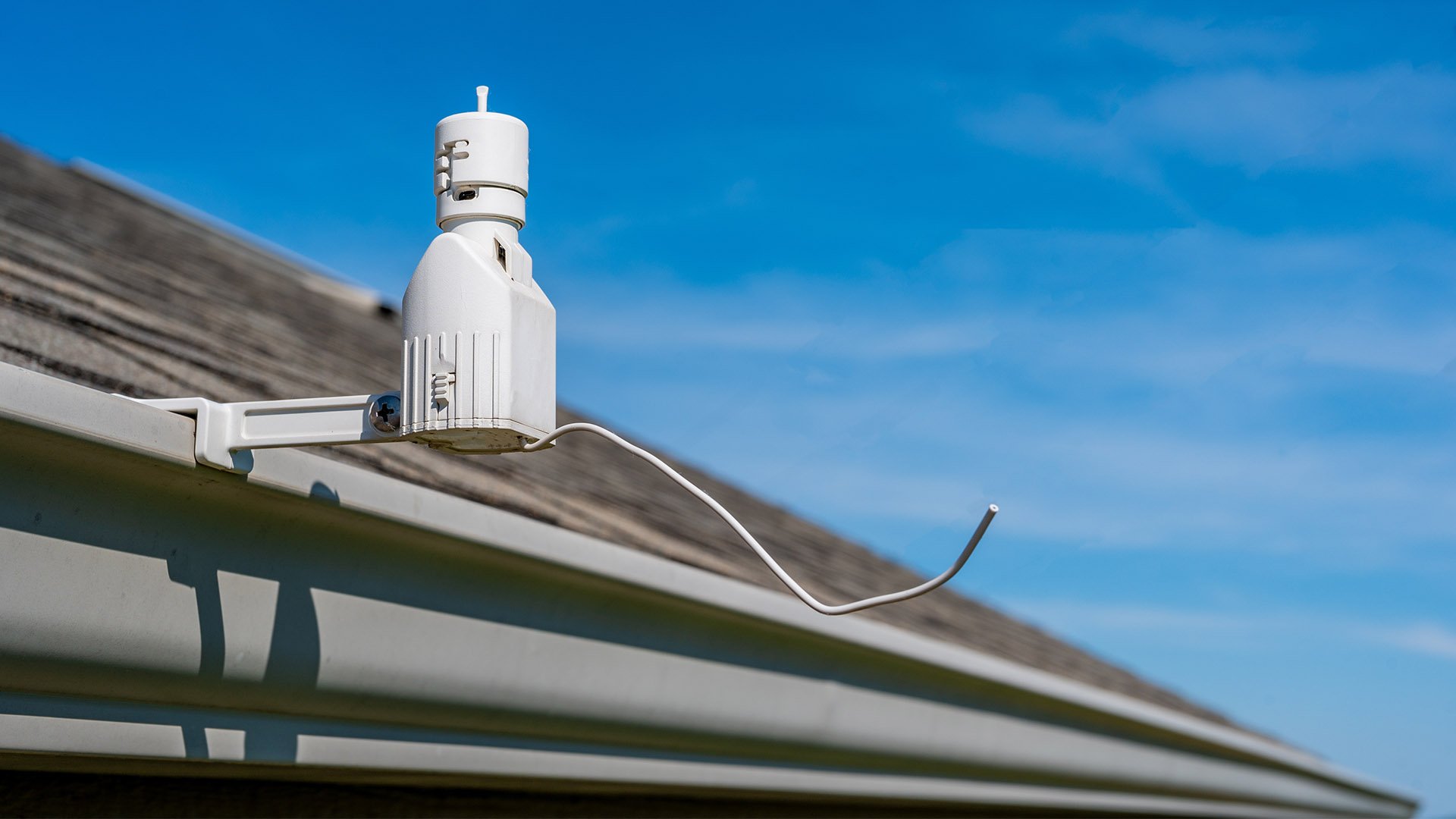
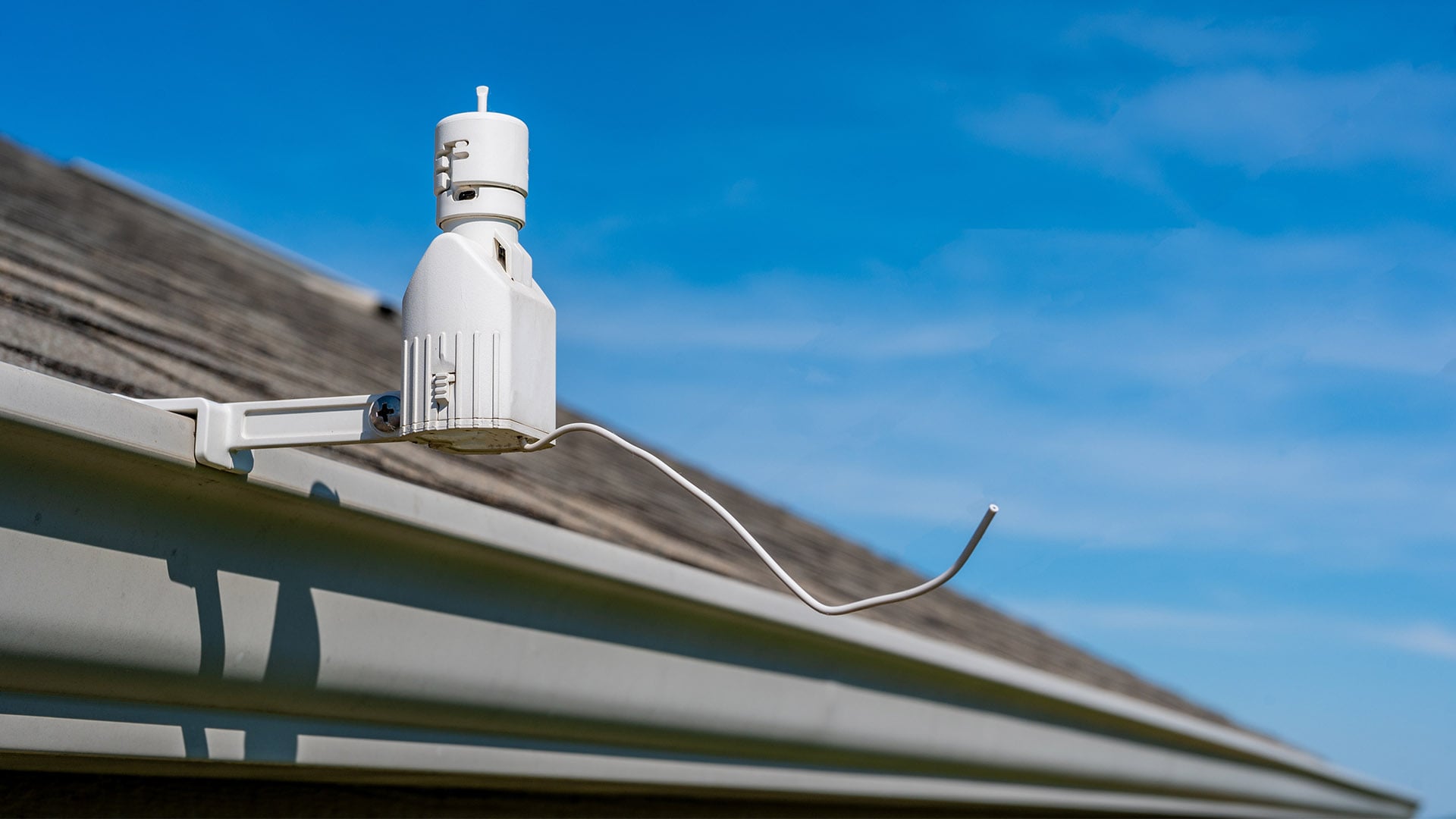
Rain sensors automatically stop your sprinkler system when it’s rained. Installed in your landscape, the sensor communicates with your irrigation controller and pauses watering until the sensor dries out.
This stops watering during or after storms, reduces water waste, avoids neighbor complaints, and keeps your landscape healthy without overwatering.
Wired or wireless?
Adding a rain sensor to an existing sprinkler system is easy. Install the sensor on the top of a fence or at the edge of your roof. Just make sure it’s in an open area and not blocked from the rain by a tree or building or other object.
Rain sensors can communicate with your sprinkler controller through a wire or through a wireless connection. Wired sensors need a path for the wire between the sensor in the yard and the controller. Wireless options give you more flexibility on where to install the sensor. Be sure to check the maximum distance between the sensor and controller before you buy.
Easy to install
Rain sensors are a simple addition to most existing irrigation systems. The sensor is installed in an open area, such as along a fence or roofline, where rainfall isn’t blocked.
Sensors can be:
- Wired: connected directly to your controller; requires a path for the wire
- Wireless: offering flexible sensor placement without running a wire
Colorado Springs Utilities offers a rebate to help offset the cost:
- $25 for wired sensors
- $50 for wireless sensors
Before purchasing, check that your controller has a rain sensor port. Most newer systems do.
Rain sensors are widely available. They can be purchased through online retailers, home improvement stores or irrigation supply stores.
Do your part
As we head into hotter months, a rain sensor helps ensure your sprinklers don’t run when it rains, saving you time and money. It’s a simple upgrade that supports wise water use while keeping your yard looking its best.