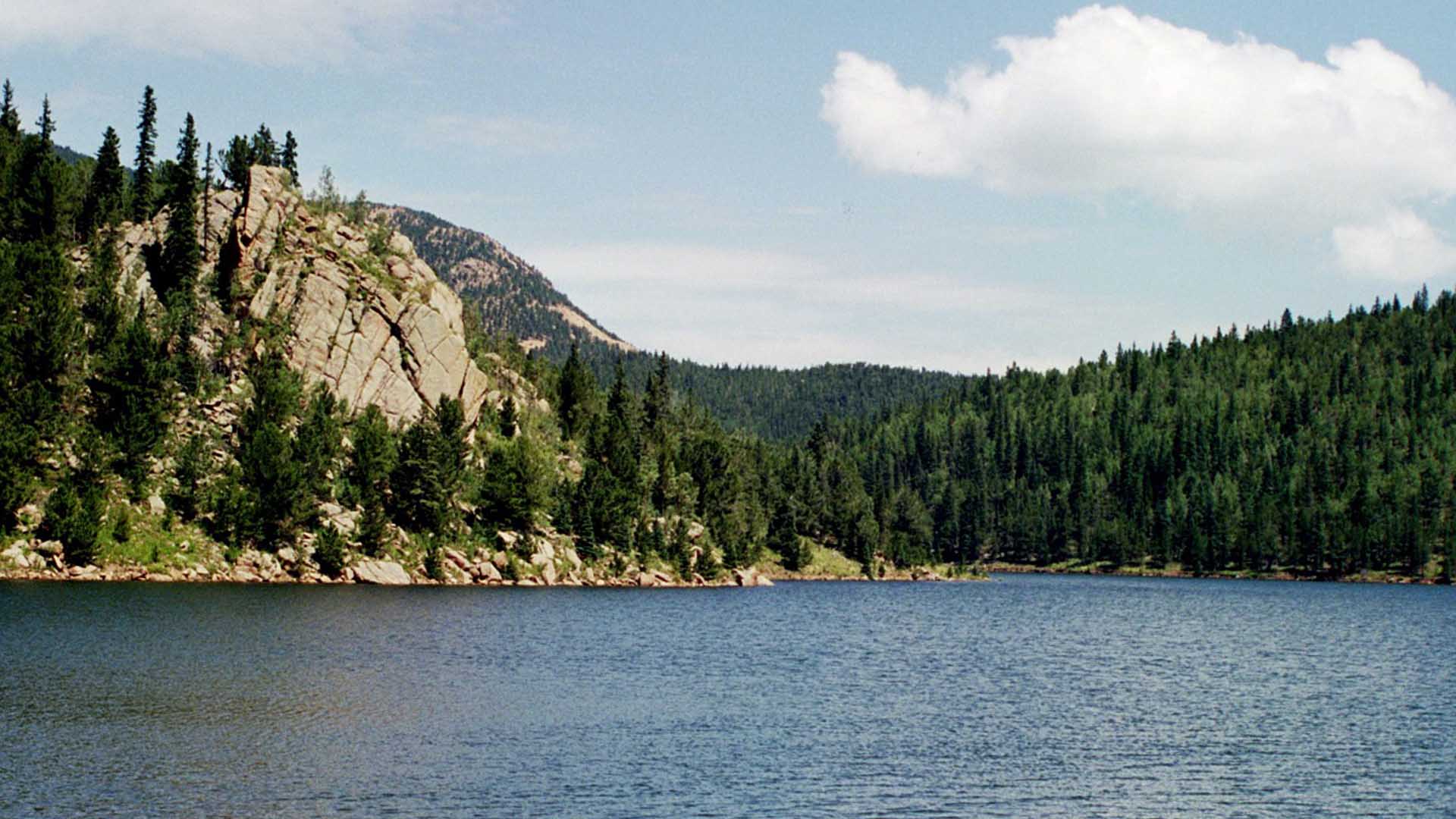
Previously managed as a State Wildlife Area, our new agreement with CPW will provide more active oversight of public recreation and safety in balance with watershed protection and our operational needs in this remote area.
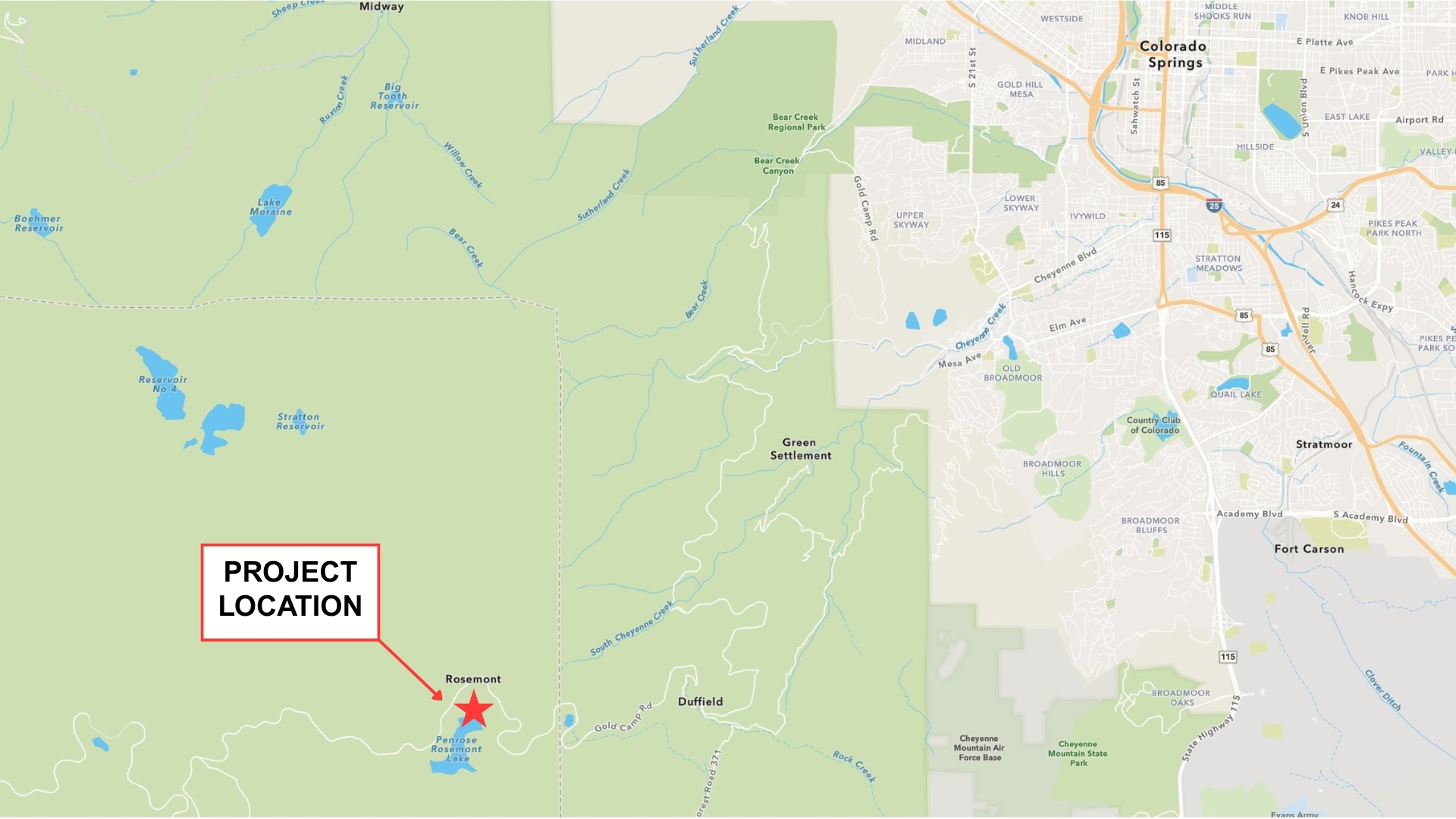
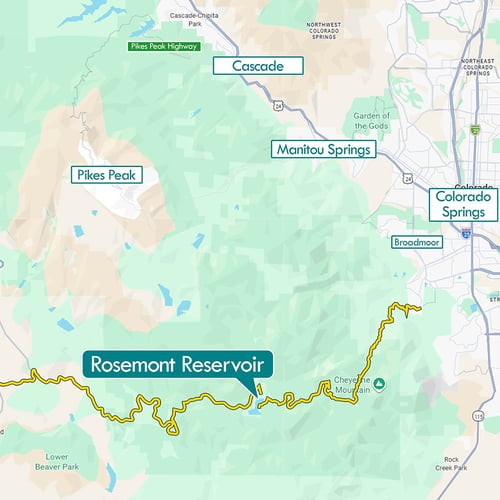
Rosemont Reservoir is located approximately 12 miles southwest of Colorado Springs along Gold Camp Road.
Expanded recreation opportunities at the reservoir will include basic campsites, managed overnight camping and recreational boating opportunities for hand-launched, hand-powered watercraft. Please contact CPW's Southeast Region office at (719) 227-5200 to learn more about availability of these amenities.
Rosemont Reservoir continues to serve as a storage reservoir for Colorado Springs Utilities customers, so water contact activities like swimming and wading remain prohibited. We continue to manage day-to-day operations of the reservoir and associated infrastructure.
Recreational amenities, as well as on-site staffing, are funded entirely by the Colorado Department of Natural Resources.
Timeline
• Jan. 21, 2026: Presentation to authorize recreational uses of Rosemont Reservoir at Utilities Board meeting.
• Feb. 10, 2026: City Council consideration of approval to authorize recreational uses of Rosemont Reservoir.
• May 28, 2026: Signing of new lease agreement with CPW.
• Summer 2026: Teller County Commission land use permitting and campsite construction.
Rosemont Reservoir was constructed in 1932 and became part of our local water system in 1973. It stores raw (untreated) water for delivery to our Phillip H. Tollefson Water Treatment Plant, and for irrigation use.