Today, Colorado Springs-area lawmakers announced the introduction of legislation this session aimed at helping utilities that are struggling to achieve Colorado’s Clean Energy Plan deadlines.
Senate Bill 26-022 is sponsored by Sen. Marc Snyder, Senate Minority Leader Cleave Simpson, Rep. Amy Paschal and House Minority Leader Jarvis Caldwell.
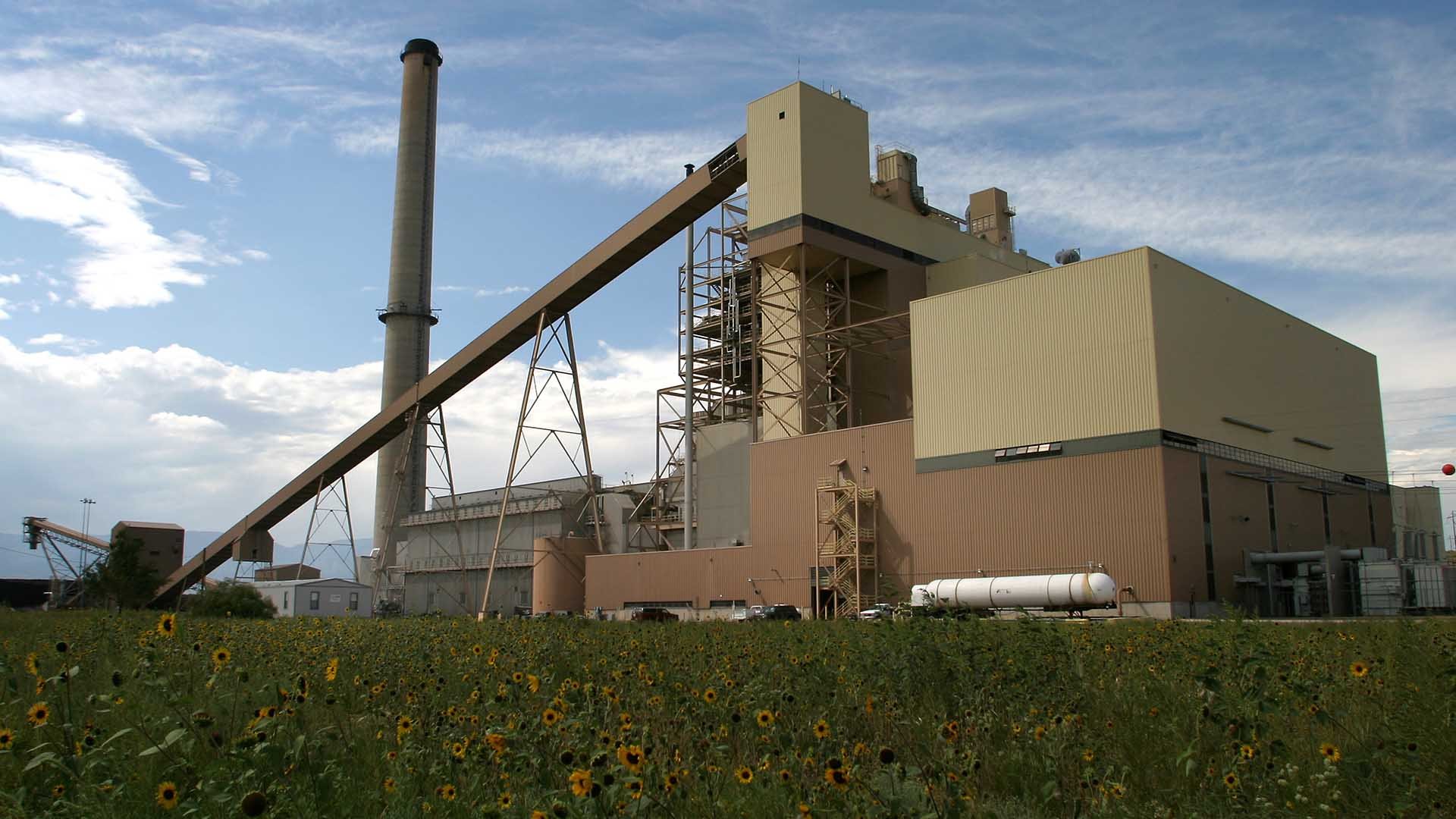
If passed, the bill would grant us the opportunity to file a new Clean Energy Plan by the end of 2026 and extend the deadline to find affordable and reliable replacement power supplies for the coal-fired unit at the Ray Nixon Power Plant.
Currently, Nixon is mandated by the state to retire at the end of 2029, but we cannot meet this deadline. A mandatory power plant retirement, without reliable, affordable sources of replacement power, will threaten electric reliability and drive already high electric rates even higher.
This bill reflects months of our ongoing work with local, state and federal leaders to protect electric reliability and rate stability for our customers.
Clean Energy Plan deadlines
Colorado legislation passed in 2019 requires utilities to reduce greenhouse gas emissions 80% by 2030. The new legislation would give utilities more time to meet state requirements, helping us reach long-term goals without causing reliability issues or raising rates for customers.
Currently, if we cannot achieve the 2030 target, the law mandates that the state will force utilities to achieve these reductions, without consideration of the costs paid by electric customers or the impacts on reliability.
Resource challenges
We filed our Clean Energy Plan in 2021 and have made significant early efforts to achieve the plan’s targets, including the retirement of the former Martin Drake Power Plant, completion of the 175-megawatt (MW) Pike Solar Array and the addition of the Jackson Fuller Energy Storage Project (100 MW).
The combination of unfavorable market conditions for new renewable energy development, the lack of immediately viable transmission developments in Colorado and the ever-increasing load demands for additional new electricity has created a perfect storm against our ability to achieve Colorado’s goals before the state deadline.
Important next steps
The next steps we take in this transition are critical to ensure we protect affordability in our growing community. This April we will enter the Southwest Power Pool Regional Transmission Organization (RTO). Joining an RTO will give us the ability to access renewable energy resources at substantially lower prices than if we were to acquire these resources ourselves.
Another important step will occur later this year when we update our Sustainable Energy Plan, to help us chart an energy transition for our community that is smart, affordable, and reliable.
Finally, citizens and customers may voice their opinion on the proposed legislation in a variety of ways in the coming months, including contacting their legislators.