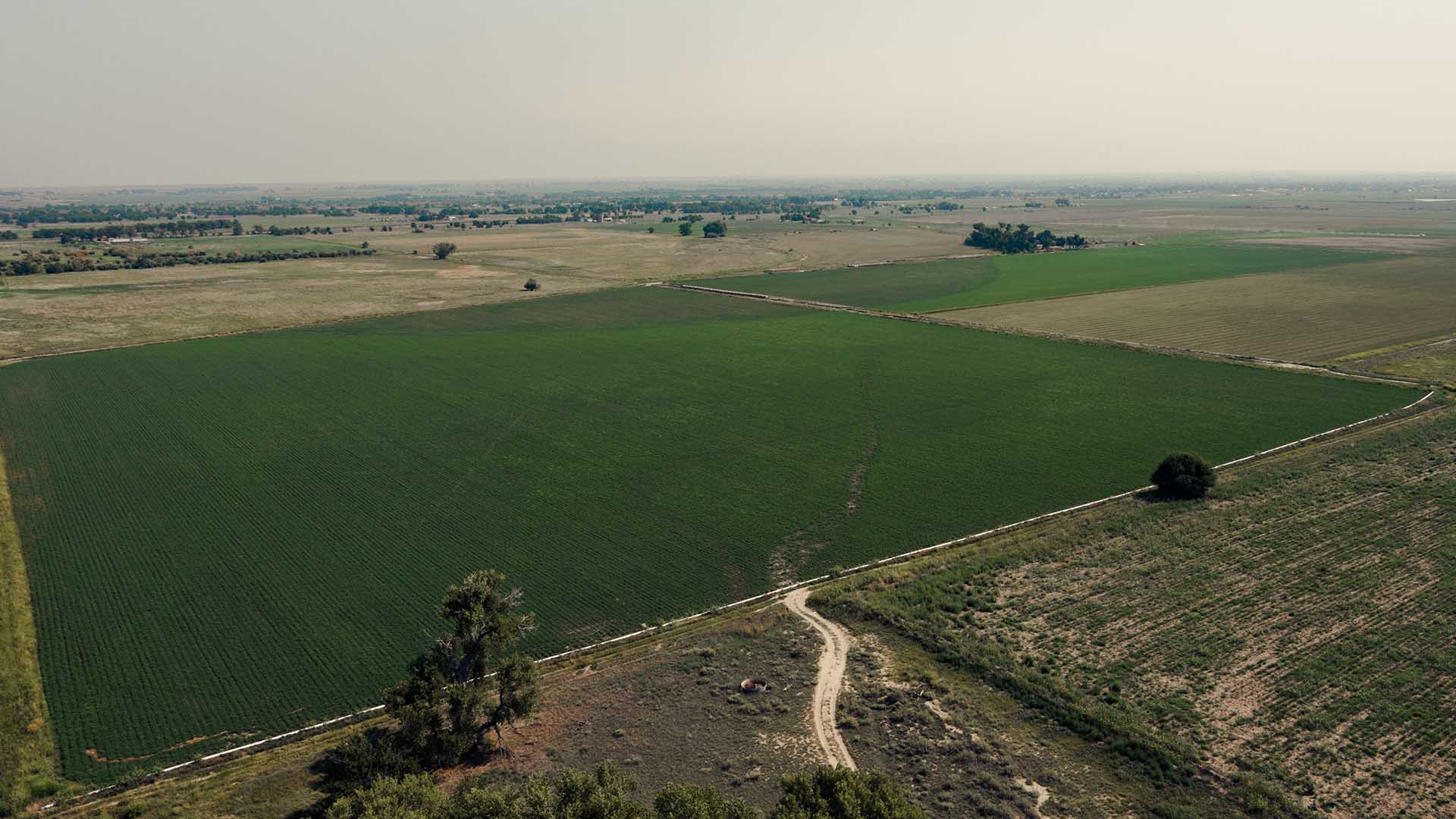

Sharing water with farmers in our native Arkansas River Basin is one of the ways we are meeting our water needs for the future. This innovative program provides water for Colorado Springs customers through collaborative solutions that support the
success of all water users in the basin.
success of all water users in the basin.
Agricultural water sharing is one way we are diversifying our water supply portfolio and addressing risks to our Colorado River Basin supply due to prolonged drought. Our Sustainable Water Plan identifies the ways we will meet our community's water needs over the next 40-50 years. This includes developing up to 15,000 acre-feet of new supplies through agricultural water sharing in the Arkansas River Basin.