“” background image gradient

Proposed changes for residential solar customers

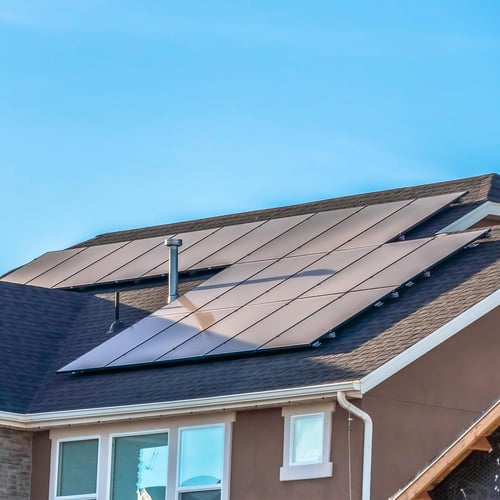
Customers with residential solar have a net metering agreement. In 2026, we are exploring options to update how residential solar customers interact with our grid and help us provide reliable electricity to our community.

What is net metering?

Net metering lets customers receive credits for solar energy they generate from their own panels that isn’t used right away. The credits are kilowatt hours (kWh) that are used from the electric grid at a later time. Credits are typically used at night when solar panels aren’t generating, and surplus credits from summer can carry over into the winter.

“”

What’s the challenge?

Today, about 10,000 customers have residential solar and exchange energy with our grid.

Under current rates, the cost related to serving residential solar customers is not fully reflected.

This has caused a growing cost shift between solar and non‑solar customers, which is important to address thoughtfully and with community input.

“”

What’s the solution?

We’re exploring updates to our Net Metering Program to modernize our rates and plan for future adoption of rooftop solar. As the energy landscape evolves, our program needs to evolve with it. 

1. Create a community-focused path forward. We want the future of residential solar to be sustainable through responsible cost management and aligned with the needs and priorities of the community. By engaging with the public early in the process, we aim to design a program that is fair, easy to understand and built for long-term success.

2. Provide more options for customers. Energy technology and customer expectations are changing. To keep pace, we are researching several program options for public consideration.

3. Include both solar and non‑solar customers in the conversation. Changes to the net metering program affect the entire community, not just households with solar panels. Through surveys, focus groups and workshops we’re gathering and sharing feedback from solar and non‑solar customers alike.

4. Collaborate with solar installers and industry groups. Solar installers are key partners to help customers make informed choices. We plan to collaborate with local installers and advocacy groups through workshops to align program changes with the needs of both customers and the utility.

Timeline

Jan. 2026: Customer survey closed.

• April 2026:
Focus group discussions begin.

Spring 2026: Feedback shared with the Utilities Board and used to develop updated program options.

Summer 2026: Proposed net metering options presented to City Council.

Summer 2026: Open house-style meeting(s) to solar customers to learn more about proposed changes.

Fall 2026: Workshop for solar providers and advocacy groups to learn about proposed changes and support the transition.

Fall 2026: City Council makes a decision on proposed net metering options.


A Colorado Springs Utilities employee stands and talks to two customers at a community event.

Our commitment to the community

Public input has played an important part in how this project is evolving. We know there is an issue to address and are relying on multiple inputs—including customer feedback, future research, and public meetings—to inform the decision. Throughout our public engagement process we aim to:

  • Rebuild trust through two-way communication.

  • Facilitate meaningful participation from solar and non-solar customers.

  • Strengthen relationships with solar providers.

  • Promote constructive, solutions-focused conversations. 

Form: your utility, your voice
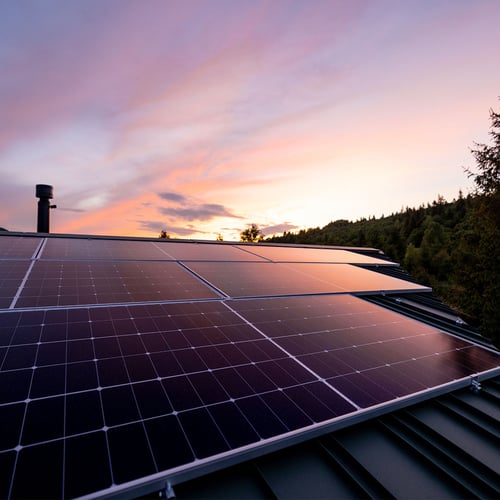
Rooftop solar panels photographed at sunset.

Upcoming engagement opportunities

In January 2026, we hosted a survey as the first step in gathering community input to help us gauge community understanding and interest in residential solar.

The responses will influence how potential solutions are evaluated as we work toward a revised proposal. We expect to share the results of the survey in March 2026. 

Resource hub

Stay informed

As the community engagement for residential solar continues, we encourage you to sign up for our Net Metering Newsletter.

Although all of our solar customers will hear from us when a proposal is before the Utilities Board, this newsletter will provide more frequent updates on the engagement process that shapes the proposal. 

Sign up for the Net Metering Newsletter
Questions and answers

Can the grid store electricity from solar panels?

No. The electric grid does not store electricity. Power must be used as it is generated. While utility-scale batteries are an emerging technology that we do have in our portfolio, they currently cannot store large amounts of energy for extended periods of time. This is why grid reliability depends on having flexible, dispatchable resources available during peak demand hours, especially when solar production drops.